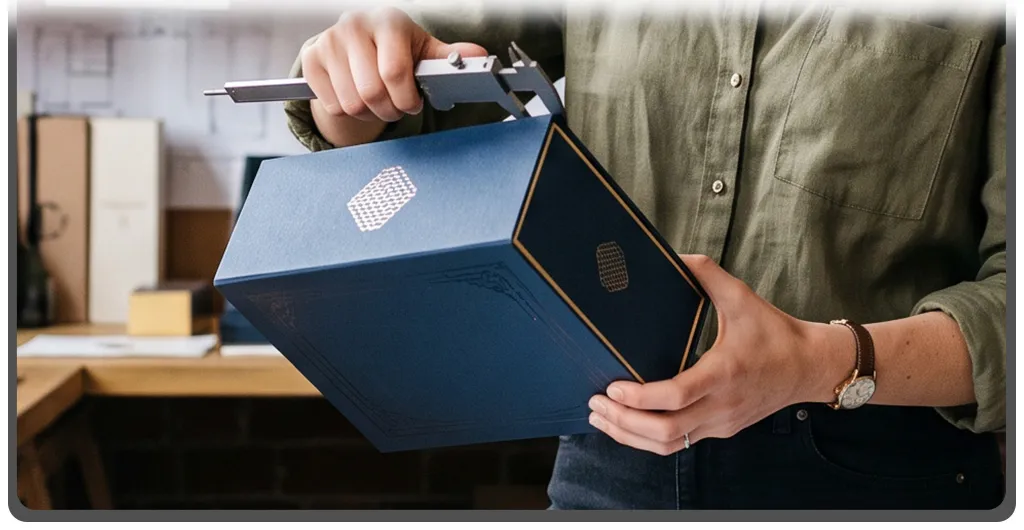
For many businesses, packaging decisions are often made under pressure. A new product launch, an upcoming event, or changing customer expectations can create urgency. The challenge is that packaging affects more than product presentation. It impacts costs, shipping efficiency, brand consistency, and the overall customer experience.
Business owners, procurement managers, and event companies frequently compare multiple suppliers before making a decision. The right choice depends on balancing quality, pricing, customization options, lead times, and supplier reliability. Taking the time to evaluate these factors can help avoid costly mistakes and production delays.
Start by Defining the Packaging Purpose
Before requesting quotes, it helps to identify the primary goal of the packaging.
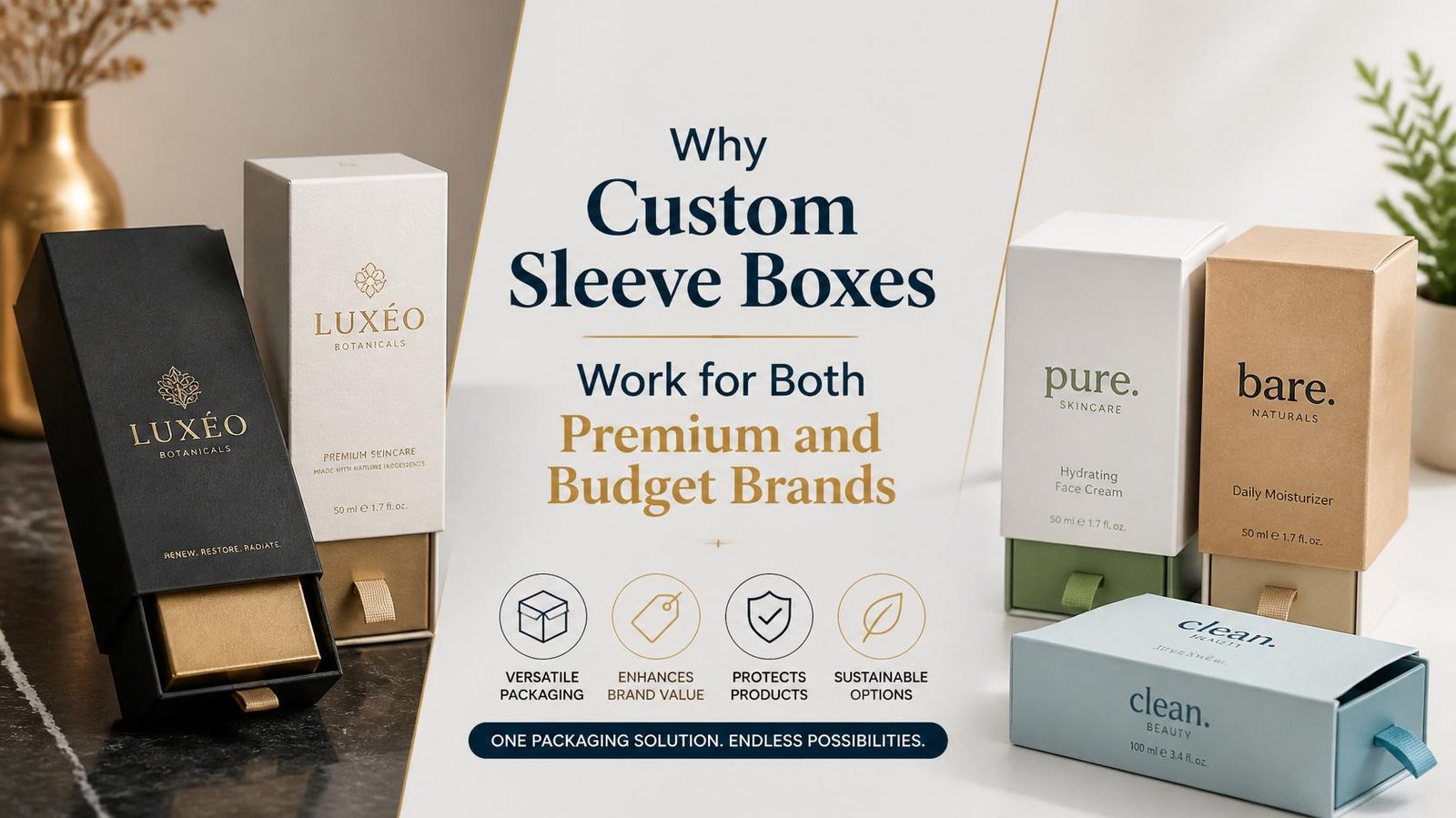
For retail products, rigid boxes may be suitable for luxury items that require a sturdy presentation. Mailer boxes are commonly used for e-commerce shipments because they provide protection during transit while maintaining a branded appearance. Tuck-end boxes often work well for lightweight consumer goods, while custom sleeves can add branding without increasing packaging costs significantly.
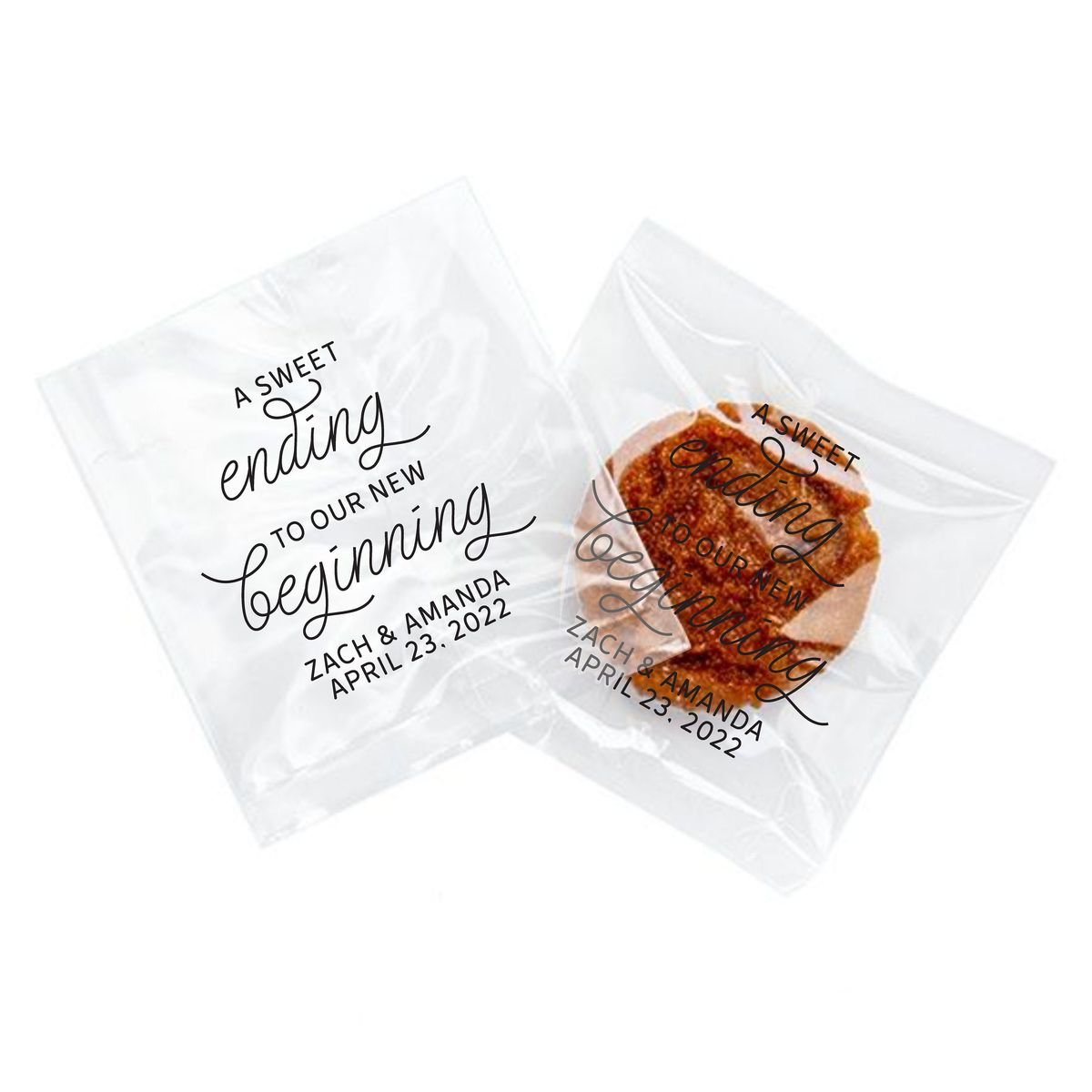
Food service businesses and event companies may have different requirements. Promotional food packaging, branded wraps, and accessories often play an important role in customer engagement. For example, businesses looking for short-run promotional materials may consider custom food flags no minimum to support seasonal campaigns, catering events, or product launches without committing to large quantities.
Clearly identifying the packaging’s purpose helps narrow supplier options and prevents overspending on features that may not be necessary.
Evaluate Material Quality Carefully
Material quality should never be judged solely by appearance. Packaging must perform well throughout storage, transportation, and customer handling.
When comparing suppliers, decision-makers should ask questions such as:
- What materials are available?
- Are food-safe options offered when required?
- How durable is the packaging during shipping?
- Can samples be provided before placing a large order?
High-quality materials often reduce product damage and minimize replacement costs. They can also improve consistency across future orders, which is especially important for businesses operating multiple locations or managing recurring events.
Consider Minimum Order Quantities
Minimum order quantity requirements can significantly affect purchasing decisions.
Large-volume orders may reduce per-unit costs, but they also require storage space and tie up inventory budgets. Smaller businesses, startups, and event organizers often benefit from suppliers that offer flexible ordering options.
Low MOQ solutions allow buyers to test designs, measure customer response, and make adjustments before committing to larger production runs. This approach can reduce risk and improve purchasing efficiency over time.
Review Customization Capabilities
Customization options vary widely between packaging suppliers. Some vendors provide only basic printing, while others offer extensive branding opportunities across multiple packaging formats.
Buyers should evaluate:
- Printing quality and color consistency
- Available finishes and coatings
- Structural customization options
- Design support services
- Packaging inserts and accessories
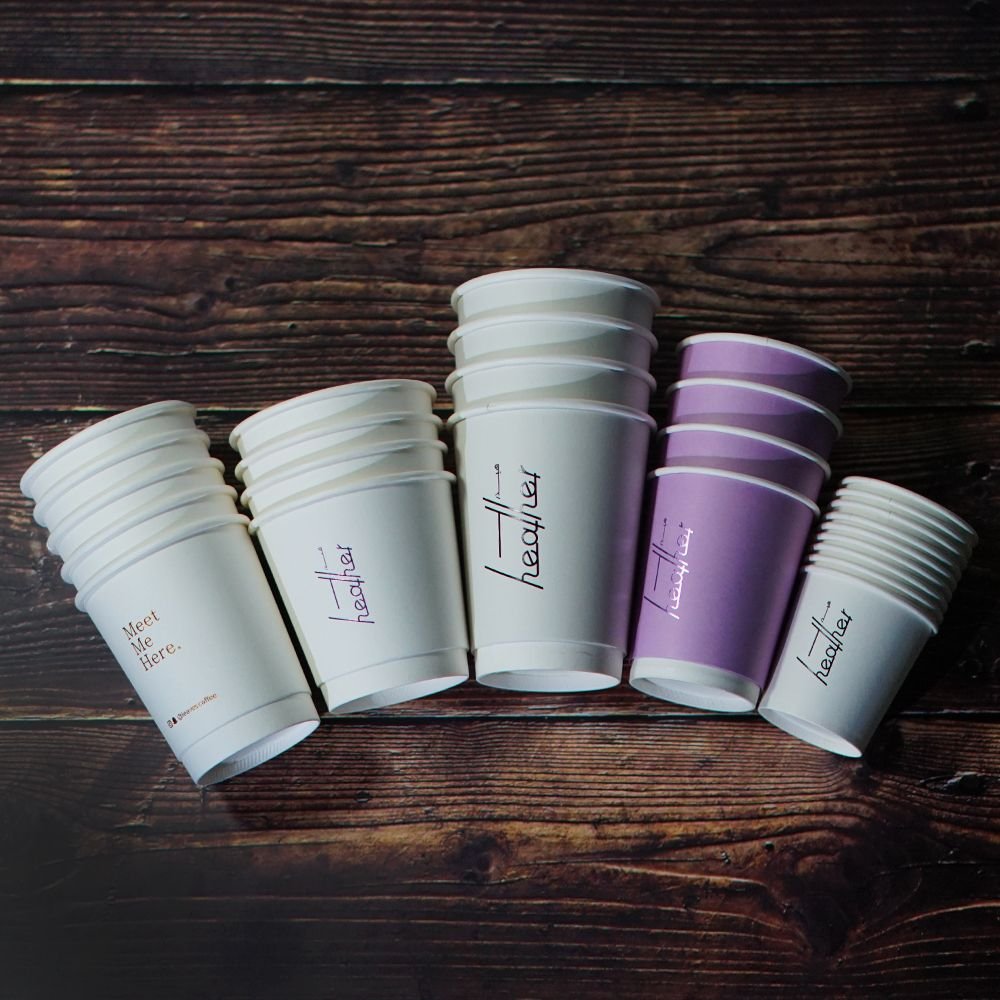
Food-related businesses often explore branded wrapping solutions as part of their packaging strategy. Using Custom printed wax paper can help create a consistent presentation for restaurants, bakeries, food trucks, and catering companies while supporting practical food-handling requirements.
Customization should serve a functional purpose rather than simply adding cost. The best packaging solutions combine visual consistency with operational efficiency.
Pay Close Attention to Lead Times
Production schedules can have a direct impact on business operations.
Delays in packaging delivery can affect product launches, promotional campaigns, trade shows, and seasonal sales opportunities. Procurement teams should always request realistic production timelines and clarify shipping expectations before approving an order.
Questions worth asking include:
- What is the standard production timeframe?
- Are rush services available?
- How are delays communicated?
- What shipping methods are offered?
Reliable lead times are often just as important as pricing when evaluating packaging vendors.
Assess Supplier Reliability
A supplier’s ability to deliver consistently is often overlooked during the buying process.
Reliable suppliers typically provide clear communication, transparent pricing, and documented production processes. Reviews, case studies, and sample requests can offer valuable insights into how a supplier performs after the initial sale.
Procurement professionals should also evaluate:
- Responsiveness to inquiries
- Accuracy of quotes
- Sample quality
- Reorder consistency
- Customer support availability
Long-term supplier relationships can simplify purchasing and reduce operational disruptions, particularly for businesses with recurring packaging needs.
Making a Smarter Packaging Investment
Choosing custom packaging is rarely about finding the lowest price. Successful buyers evaluate the complete picture,Custom printed wax paper including quality, minimum order quantities, customization options, production timelines, and supplier dependability.
Mailer boxes, rigid boxes, custom sleeves, tuck-end boxes, food wraps, and promotional accessories all serve different purposes. The right solution depends on business goals, operational requirements, and customer expectations.
For organizations planning future packaging projects, requesting a custom quote and reviewing samples can provide a clearer understanding of available options before making a final purchasing decision.