A women’s wellness center is designed to support health needs at every stage of life, offering a complete approach that focuses on physical, emotional, and preventive care. Many women look for spaces where they feel heard, supported, and guided with care that goes beyond basic treatment. A place such as center for womens health and wellness Virginia represents this idea of integrated care where well-being is treated as a whole experience rather than isolated concerns.
Women often manage multiple responsibilities, and health can sometimes take a backseat. A wellness center provides an environment where care is structured around balance, prevention, and long-term vitality. The focus is not only on treating concerns but also on encouraging healthy habits that support everyday life. This approach allows individuals to feel more confident about their health choices while staying proactive.
A key benefit of these centers is the emphasis on personalized attention. Every woman’s body and lifestyle are different, so care is adjusted to reflect those unique needs. This ensures that health plans are practical, sustainable, and aligned with personal goals.
Comprehensive Preventive Care for Long-Term Wellness
Preventive care is one of the strongest foundations of a women’s wellness center. Regular screenings, early assessments, and routine health evaluations help identify concerns before they develop into serious issues. This proactive approach supports long-term wellness and reduces health risks over time.
Preventive care also encourages awareness. When women understand their bodies better, they can make informed decisions about nutrition, exercise, and stress management. This awareness leads to healthier routines that naturally fit into daily life instead of feeling like obligations.
Another benefit is continuity of care. Having a consistent place for health monitoring ensures that changes are tracked over time. This helps in identifying patterns, improving health outcomes, and maintaining stability in overall wellness. It also builds trust between individuals and healthcare providers, making it easier to discuss concerns openly.
Preventive care in wellness centers often includes education about lifestyle choices. Guidance on sleep habits, dietary balance, and physical activity supports long-term energy and vitality. These small but consistent improvements can have a significant impact on overall health.
Emotional Well-Being and Mental Health Support
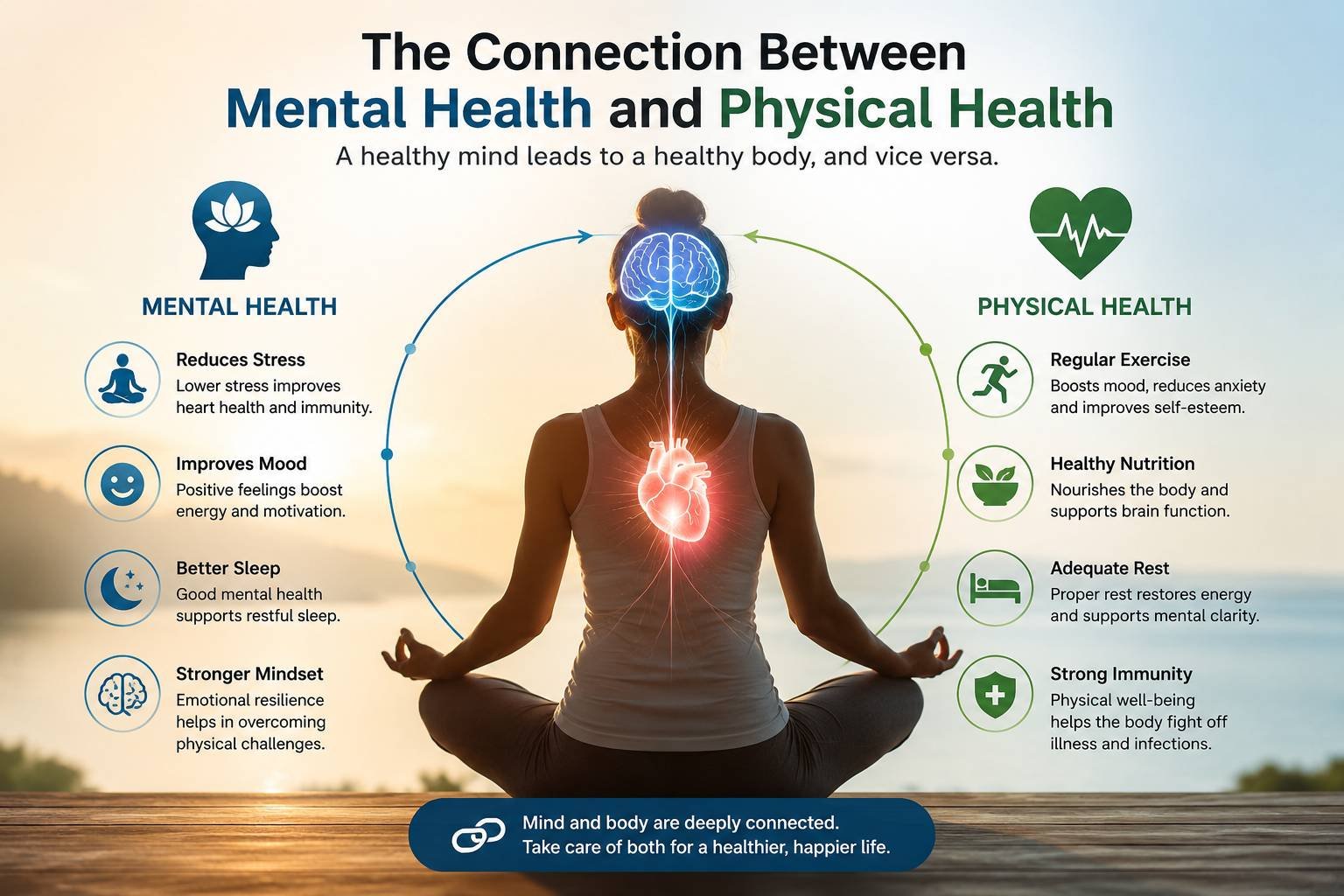
A women’s wellness center also places strong importance on emotional and mental health. Emotional well-being is deeply connected to physical health, and supporting both together creates a more complete approach to care.
Stress management is a major focus. Women often experience stress from multiple roles, and learning how to manage it effectively can improve overall quality of life. Wellness centers may offer techniques such as mindfulness, counseling support, and relaxation strategies that help maintain emotional balance.
Mental health support also encourages self-awareness. When individuals understand their emotional patterns, they can respond to challenges more calmly and effectively. This leads to better decision-making and healthier relationships in personal and professional life.
Supportive environments also reduce feelings of isolation. Being in a space that prioritizes understanding and empathy allows individuals to feel more comfortable discussing personal concerns. This sense of connection can be deeply healing and empowering.
Emotional wellness programs also encourage positive thinking and resilience. These qualities help individuals handle life changes with confidence and stability, contributing to overall well-being.
Personalized Health Guidance and Lifestyle Planning
One of the most valuable aspects of wellness centers is personalized health planning. Instead of offering general advice, care is tailored to individual needs, goals, and health conditions. This ensures that each person receives relevant and practical guidance.
Nutrition planning is often included as part of lifestyle support. Balanced eating habits help improve energy levels, support immunity, and maintain overall body function. Guidance is provided in a way that is realistic and easy to follow, making healthy eating more achievable.
Physical activity recommendations are also personalized. Instead of one-size-fits-all fitness routines, wellness centers encourage movement that suits individual lifestyles and abilities. This could include low-impact exercise, strength building, or flexibility-focused activities.
Sleep improvement strategies are another important area. Proper rest supports hormonal balance, mental clarity, and physical recovery. Learning how to improve sleep quality can significantly enhance daily performance and overall health.
The goal of personalized planning is sustainability. Small, consistent improvements are more effective than drastic changes, and wellness centers focus on building habits that last.
Support Through Life Stages and Changing Needs
Women experience different health needs at various stages of life, and wellness centers are designed to support these transitions. From early adulthood to later stages, care adapts to changing requirements.
During younger years, the focus may include building healthy foundations such as nutrition awareness, reproductive health education, and stress management skills. These early habits set the stage for long-term wellness.
In adulthood, priorities often shift toward balancing career, family, and personal health. Wellness centers provide support for managing energy levels, hormonal balance, and lifestyle stressors during this phase.
Later stages of life may involve more focus on bone health, heart health, and maintaining mobility. Regular monitoring and supportive care help maintain independence and quality of life.
This stage-based approach ensures that care remains relevant and supportive throughout life. It also helps individuals feel prepared for transitions instead of overwhelmed by them.
Building Confidence Through Education and Awareness
Education plays a key role in women’s wellness centers. When individuals understand their health, they become more confident in making decisions that support their well-being.
Health education often includes information about nutrition, hormonal changes, preventive screenings, and lifestyle choices. This knowledge empowers individuals to take control of their health journey.
Awareness also reduces uncertainty. Many health concerns feel less overwhelming when there is a clear understanding of what is happening in the body. This clarity helps reduce anxiety and supports better emotional balance.
Educational support also encourages independence. Instead of relying solely on external guidance, individuals learn how to interpret their body’s signals and respond appropriately. This builds long-term confidence in managing health.
Workshops, discussions, and one-on-one guidance can all contribute to this learning process, making health information more accessible and practical.
Creating a Supportive and Encouraging Environment
A positive environment is essential for effective wellness care. Women’s wellness centers focus on creating spaces where individuals feel safe, respected, and encouraged.
This supportive environment helps reduce stress and promotes openness. When people feel comfortable, they are more likely to share concerns and engage fully in their care.
Encouragement is also a key element. Instead of focusing on limitations, wellness centers emphasize progress and achievable goals. This positive reinforcement helps build motivation and consistency.
The environment also fosters community. Knowing that others are on similar health journeys can be reassuring and inspiring. It creates a sense of belonging that strengthens commitment to wellness goals.
Final Thought on Women’s Wellness and Long-Term Health
A women’s wellness center plays a meaningful role in supporting long-term health by combining preventive care, emotional support, personalized planning, and education. It creates a space where well-being is viewed as a continuous journey rather than a short-term goal. This approach helps individuals build healthier habits, improve confidence, and maintain balance throughout different stages of life.
With consistent support and a focus on holistic care, women can experience improved physical health, emotional stability, and greater awareness of their own needs. This makes it easier to manage daily challenges while staying focused on long-term wellness goals. Many individuals find that structured care and guidance make a significant difference in how they approach their health journey.
A strong example of this supportive approach can be seen in Virginia womens health, where integrated care and personalized attention contribute to a more balanced and empowered lifestyle.