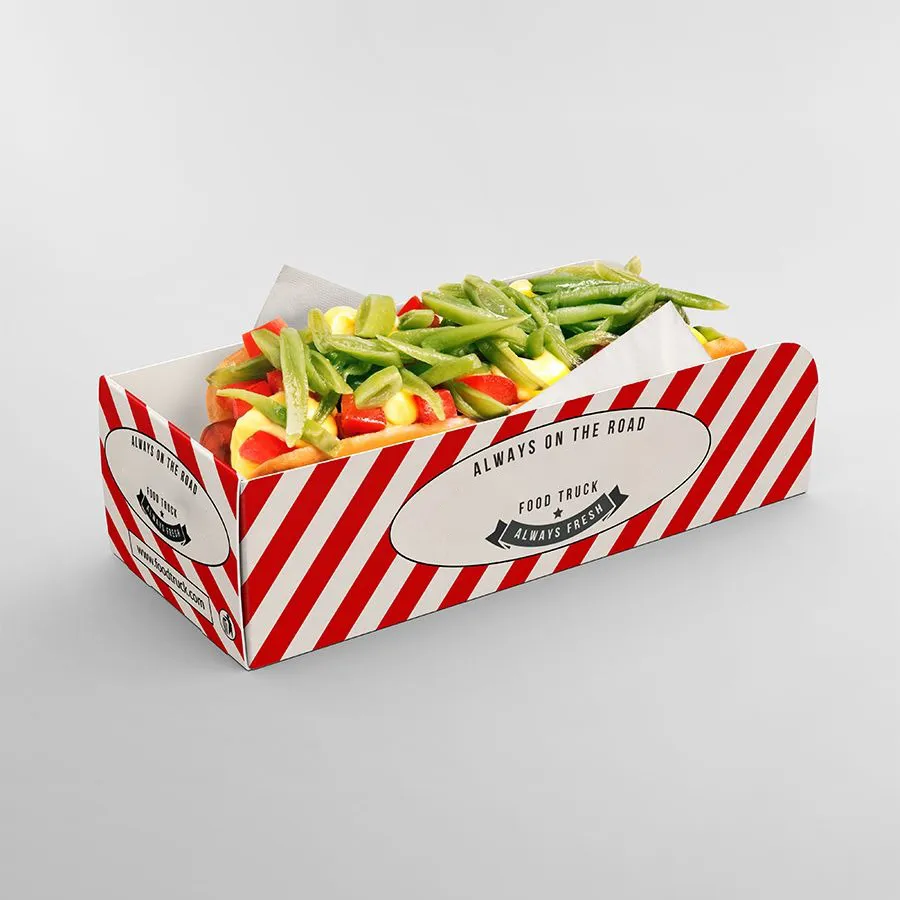
Restaurants, food trucks, catering companies, and event businesses across the United States are facing increasing pressure to reduce packaging waste. Customers are paying closer attention to the materials used in food packaging, while many businesses are looking for practical ways to lower their environmental impact without sacrificing food quality or presentation. As a result, demand for biodegradable burger boxes wholesale options continues to grow.
For procurement managers and business owners, selecting the right packaging supplier involves more than choosing an eco-friendly material. Factors such as quality, order quantities, lead times, customization options, and supplier dependability all play a significant role in the buying process.
Why Biodegradable Burger Boxes Are Gaining Attention
Traditional food packaging often contributes to long-term waste challenges. Biodegradable alternatives are designed to break down naturally under appropriate conditions, helping businesses align with sustainability goals and changing customer expectations.
Burger packaging must perform several important functions. It needs to protect food during transport, maintain product freshness, resist grease and moisture, and support efficient handling. Modern biodegradable burger boxes are designed to address these requirements while reducing environmental impact.
For food service operators, this balance between performance and sustainability can help support purchasing decisions that meet both operational and environmental objectives.
Key Factors to Compare Before Buying
Material Quality and Durability
One of the first considerations is the quality of the packaging material. A biodegradable box should maintain its structure during delivery, takeaway service, and event catering operations.
Buyers should evaluate:
- Resistance to grease and moisture
- Structural stability during transport
- Food safety compliance
- Compostability or biodegradability certifications
Requesting samples before placing a larger order can provide valuable insight into real-world performance.
Minimum Order Quantities (MOQ)
MOQ requirements vary significantly among packaging suppliers. Small restaurants may prefer lower minimums to manage inventory costs, while larger chains and event companies often benefit from wholesale volume pricing.
Understanding MOQ policies early in the purchasing process helps buyers avoid unexpected expenses and storage challenges. Businesses should calculate projected usage rates before committing to larger orders.
Lead Times and Supply Consistency
Packaging shortages can disrupt daily operations and create unnecessary stress for procurement teams. Lead times should be carefully reviewed, especially during busy seasons or promotional periods.
Reliable suppliers typically provide clear production schedules and realistic delivery estimates. Consistent inventory availability can help businesses maintain smooth operations without last-minute packaging substitutions.
The Value of Customization
Custom packaging continues to play an important role in food service branding. While sustainability remains a priority, businesses often seek packaging that reflects their company image and customer experience goals.
Many suppliers offer customization options such as:
- Printed logos
- Custom sizes
- Color variations
- Special finishes
- Product information printing
Packaging solutions can also extend beyond burger boxes. Businesses frequently use complementary products such as mailer boxes, rigid boxes, custom sleeves, and tuck-end boxes for promotional kits, catering packages, retail products, and seasonal campaigns.
When evaluating suppliers, buyers should determine which customization features are available and how those options affect pricing and production timelines.
Supplier Reliability Matters
A supplier’s reliability often becomes apparent after the initial order. Consistent quality, responsive communication, and dependable delivery schedules can have a direct impact on operational efficiency.
When comparing suppliers, decision-makers should consider:
- Customer reviews and testimonials
- Industry experience
- Sample availability
- Production capacity
- Customer support responsiveness
Working with established providers can reduce purchasing risks and simplify future reordering processes.
Companies such as Wow Custom Boxes offer a range of packaging solutions that allow businesses to explore biodegradable food packaging alongside various custom packaging formats. Reviewing available product options and discussing specific requirements with suppliers can help buyers make more informed decisions.
Balancing Cost and Long-Term Value
Price remains an important purchasing factor, but the lowest-cost option is not always the most practical choice. Packaging that fails during delivery, arrives late, or lacks consistent quality can create additional expenses over time.
Decision-makers should evaluate total value by considering:
- Product performance
- Waste reduction potential
- Branding opportunities
- Reorder convenience
- Supplier dependability
A slightly higher investment in reliable biodegradable packaging may support smoother operations and better customer satisfaction in the long run.
Final Thoughts
As sustainability continues to influence purchasing decisions throughout the food service industry, biodegradable burger boxes are becoming an increasingly practical option for restaurants, caterers, event companies, and food delivery businesses.
Before selecting a supplier, buyers should carefully compare material quality, MOQ requirements, customization capabilities, lead times, and overall reliability. Taking the time to evaluate these factors can help businesses secure packaging solutions that meet both operational needs and environmental objectives.
For organizations exploring eco-focused packaging options, requesting a custom quote and reviewing product samples can be a useful next step toward finding the right fit for their specific requirements.