India’s alcohol industry crossed ₹3.5 lakh crore in market size in 2023, yet building a licensed distillery from scratch costs upwards of ₹50 crore. That gap is exactly why contract manufacturing alcohol in India has become the preferred route for new brands, regional players, and global names entering the market. In this post, you will learn how the contract manufacturing process works, what licences you need, what it costs, and how to stay compliant under India’s state-level excise system.
What Is Contract Manufacturing in the Alcohol Industry?
Contract manufacturing in the alcohol industry means a brand owner hires a licensed distillery or bottling unit to produce, blend, and bottle spirits on their behalf. The brand owner retains the recipe, label, and market rights. The manufacturer provides the production infrastructure, raw material sourcing, and compliance support. This arrangement lets brands enter the market faster and at far lower capital expenditure than building their own facility.
How Is It Different From a Franchise Agreement?
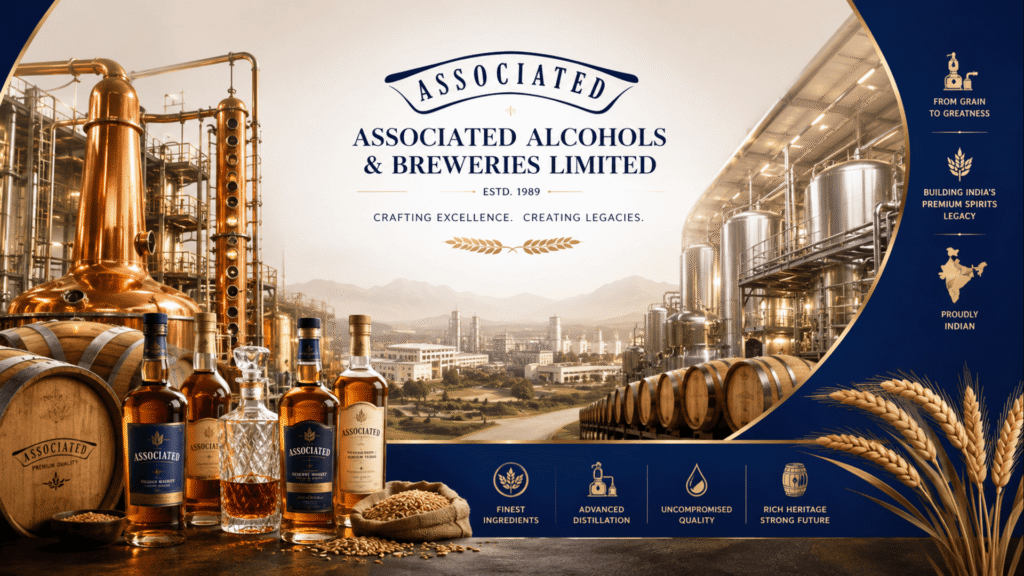
A franchise agreement goes one step further. Here, the brand owner (licensor) authorises the manufacturer to produce and sell their brand within a defined territory. The manufacturer pays a royalty or per-case fee. Franchise bottling is common for established IMFL brands that want regional production without managing multiple plants directly. You can find a working example of how established distilleries structure franchise and contract manufacturing arrangements in India on producer-facing industry pages.
Why Do Brands Choose Third-Party Alcohol Production?
Three reasons drive most decisions: speed to market, capital efficiency, and geographic reach. Setting up a new distillery in India requires land, licences across multiple departments, and a construction timeline of 18–36 months. A contract manufacturer already holds the required licences and can begin production in weeks. For brands testing a new SKU or entering a new state, this flexibility is commercially essential.
What Licences Are Required for Alcohol Contract Manufacturing in India?
Alcohol is a state subject under the Indian Constitution, so licensing requirements vary by state. At minimum, both the brand owner and the contract manufacturer need a valid excise manufacturing licence from the respective State Excise Department. The manufacturer must also hold a BIS certification where applicable, an FSSAI licence for food safety compliance, and any specific bottling permits the state requires.
State Excise Policy and Its Role
Each Indian state publishes an annual excise policy that governs production quotas, brand registrations, approved raw materials, and pricing. To manufacture in a state, the brand must register its label with that state’s excise authority. This registration process can take 30–90 days depending on the state. Maharashtra, Telangana, Karnataka, and Madhya Pradesh have relatively structured processes for brand registration under contract manufacturing.
FSSAI and BIS Compliance for Potable Alcohol
FSSAI regulates alcoholic beverages under the Food Safety and Standards (Alcoholic Beverages) Regulations, 2018. Every bottled spirit must comply with standards for ENA quality, methanol limits, and labelling requirements. BIS IS:839 sets the Indian standard for whisky, rum, brandy, vodka, and gin. Contract manufacturers typically handle both certifications as part of their service scope, but brand owners remain legally accountable for product safety.
How Much Does Contract Alcohol Manufacturing Cost in India?
Costs vary by spirit type, volume, and packaging. A basic per-case bottling cost for an IMFL product in India ranges from ₹180 to ₹500 depending on bottle size, label complexity, and the region of production. ENA prices, which form the base of most Indian spirits, fluctuate seasonally ENA traded between ₹38 and ₹55 per litre across major producing states in 2024.
Fixed vs Variable Cost Breakdown
Fixed costs typically include brand registration fees, label approval charges, and minimum order commitments. Variable costs cover ENA, blending materials, glass, closures, labels, and excise duty. Excise duty is the most significant variable it differs not just by state but by liquor category. A brand entering five states must factor in five different duty structures.
Minimum Order Quantities and Economies of Scale
Most contract manufacturers in India require a minimum batch of 500 to 1,000 cases per production run. Smaller runs carry a premium on per-case cost. At 5,000 cases and above, per-case costs drop materially because overhead absorption improves and raw material procurement shifts to bulk pricing. Brands should model their first-year volume realistically before committing to a contract.
Which States in India Are Best for Alcohol Contract Manufacturing?
Madhya Pradesh, Telangana, and Uttar Pradesh are among the most active states for contract manufacturing due to their large distillery bases, surplus ENA production, and relatively transparent excise processes. Maharashtra and Karnataka are preferred for premium spirit production given their infrastructure and proximity to key consumption markets.
Role of ENA-Producing States
States like Uttar Pradesh and Uttarakhand produce significant volumes of ENA from sugarcane molasses. Proximity to an ENA source directly affects raw material logistics costs. Manufacturers located close to ENA distilleries pass on transport savings to brand partners, making those locations cost-competitive for high-volume runs.
Inter-State Transport and Bonded Movement
Moving finished alcohol across state borders requires an import permit from the receiving state and an export pass from the producing state. This bonded movement process adds 7–15 days to delivery timelines and requires careful documentation. Brands distributing nationally must plan their state-wise production strategy to reduce inter-state movement costs.
What Quality Standards Apply to Contract Alcohol Production in India?
Every batch produced under a contract must meet the quality specifications agreed in the manufacturing agreement, the applicable BIS standard for that spirit category, and FSSAI labelling rules. Independent third-party lab testing before dispatch is standard practice for serious brand owners. Testing covers ABV accuracy, methanol content, heavy metals, and sensory profile.
Role of the Manufacturing Agreement
The contract between the brand owner and manufacturer is the single most important document in the arrangement. It should specify batch testing protocols, rejection and rework clauses, intellectual property protections for recipes, and liability in case of a recall. Many brands skip detailed contracting early on this is the most common source of disputes in the industry.
GMP and Internal Audit Practices
Good Manufacturing Practice (GMP) guidelines under FSSAI apply to all food and beverage production, including alcohol. Regular internal audits and third-party GMP assessments protect brand reputation. Manufacturers with ISO 22000 or FSSC 22000 certification offer a higher baseline of quality assurance for brand partners.
Conclusion
Contract manufacturing alcohol in India gives brands a practical path to production without the capital burden of building a distillery. The process works well when both parties understand the state-level excise framework, agree on quality standards upfront, and structure a solid manufacturing agreement. As India’s alcohol market continues to grow, the contract manufacturing model will only become more important for brands aiming to scale quickly and efficiently. The real question is not whether to use contract manufacturing it is how to choose the right manufacturing partner for your category and target markets.
We strictly comply with all applicable Government of India excise laws, FSSAI regulations, and state licensing requirements for alcohol manufacturing and distribution.